
加载中...
共找到 25,639 条相关资讯

SLB, APA, and Valero Energy are benefiting from bullish technical indicators.

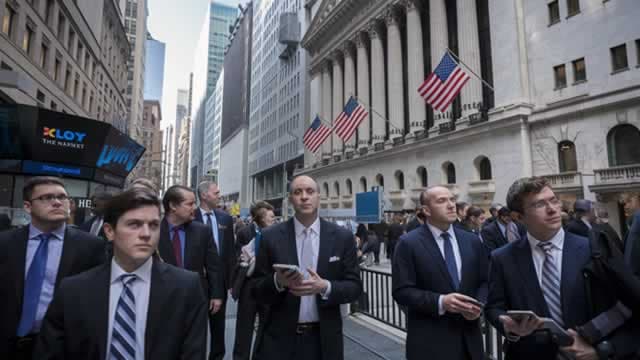
Throughout history, bull market cycles are only one-half of the “full market” cycle. This is because during every “bull market” cycle the markets and economy build up excesses that are then “reverted” during the following “bear market”.
Today's @CharlesSchwab Big Picture panel turns to the slew of economic data that will trickle into markets now that the U.S. government has reopened. Kathy Jones makes the case that the September jobs report expected Thursday will see heavy revisions due to the risk of it already being outdated.
DoubleLine Capital CEO and founder Jeffrey Gundlach says the next big crisis for the financial markets is private credit. The Wall Street bond king appeared on an episode of the Odd Lots podcast recorded to mark the show's 10-year anniversary.

New York Federal Reserve President John Williams met with Wall Street's dealers last week about a key lending facility. Here's the detail.

The money manager sees speculative excess in AI-related stocks and data-center investments, cautioning that momentum investing during a boom can end badly.

The pace of U.S. construction spending picked up in August, according to a Census Bureau report Monday that had been delayed by the government shutdown.

The past few weeks felt like an economic black hole. Every month, we rely on a steady stream of official government numbers to make AP Charts and evaluate where we stand.
Jeffrey Gundlach says investors need to shake up their traditional portfolio due to a swath of overpriced assets, such as stocks.

After two quarter-point rate reductions so far in 2025, the Fed's policy stance is “still somewhat restrictive, but we have moved it closer to its neutral level that neither restricts nor stimulates the economy,” Federal Reserve Gov. Philip Jefferson, the Fed's vice chair, said.

Roundhill Investments' Dave Mazza offers a wide perspective on the market moves seen over the last week. He believes investors in high-flying stocks tied to A.I.

Artificial intelligence could cause a "quiet time in the labor market," top Trump administration economic advisor Kevin Hassett said Monday. "Firms are finding that AI is making their workers so productive that they don't necessarily have to hire the new kids out of college and so on," he said on CNBC's "Squawk Box.
Jeremy Siegel, former Wharton professor and WisdomTree chief economist, joins 'Squawk Box' to discuss Siegel's thoughts on equity markets, the bull to bear to ratio and much more.

AI-driven momentum stocks have corrected, sparking a healthy sector rotation and limiting major index drawdowns. The AI investment theme is still in its early stages, with capacity constraints and broad productivity gains yet to be realized.

Federal Reserve Vice Chair Philip Jefferson said on Monday the U.S. central bank needs to "proceed slowly" with any further interest rate cuts as it eases policy towards a level that would likely stop putting downward pressure on inflation.

The S&P 500 saw very little change week over week. The index closed the trading week ending on 14 November 2025 at 6,734.11, up less than 0.1% from its previous week's close.

The S&P 500's deep concentration in technology creates opportunities for outsized gains if sector rotation favors underweighted sectors like energy. Despite a tech-heavy S&P 500, energy and healthcare sectors have shown relative strength during the downturn.

Traders bet against Trump tariff policies as prediction markets reflect growing doubt over $2,000 stimulus checks funded by trade revenue, odds plummet to 5%.

Since Trump's re-election, the S&P 500 has been extremely narrow. The gap between the biggest stocks and the rest is historic.
Treasury yields were little changed as the flow of official economic indicators is about to resume.