
加载中...
共找到 24,881 条相关资讯

Underlying US inflation accelerated in January by the most since August as the core consumer price index increased 0.3% from December, boosted by a pickup in services costs. Compared with January of last year, the measure rose 2.5%.


This is a developing story.

Economists predicted a slight easing of inflation, although it's unclear whether Fed will again cut interest rates

Inflation slowed in January to its tamest pace since May 2025 after an upbeat jobs report as the economy seemingly skirts the full effects of President Trump's tariffs for now -- though it's likely not enough for the Fed to slash interest rates.

The Labor Department on Friday released the January 2026 consumer price index (CPI), which showed that inflation remained elevated above the Federal Reserve's target.

President Donald Trump could reduce aluminum and steel tariffs. Industry stocks responded on Friday.
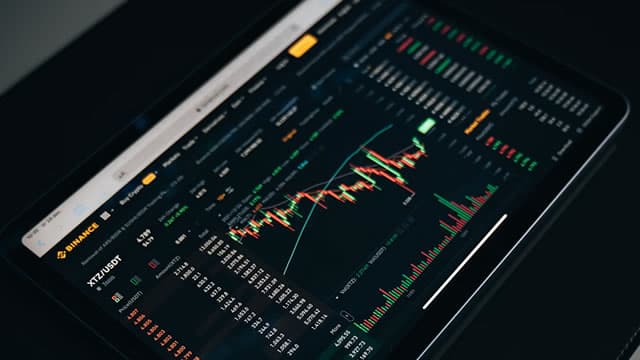
JPMorgan says aero engines is a hot sector and not about to go away, with GE Aerospace among its picks.

Consumer prices rose 2.4% from a year earlier, cooler than the 2.7% recorded in December
The consumer price index was expected to increase 2.5% from a year ago in January, according to the Dow Jones consensus.

Rep. Byron Donalds, R-Fla., joins 'Mornings with Maria' to discuss the looming DHS shutdown, the Senate battle over voter ID legislation and the future of AI expansion in Florida.

Kevin Green says the Fed may focus more on March and April CPI data if the January numbers come in hot. However, he believes if the print comes in light and closer to the Cleveland Fed's estimates, a "risk on" mentality could return to the markets.
Dow pulls back after fresh highs: The Dow Jones hit a new all-time high near 50,335 but has since slipped back toward its 20-day moving average as broader US indices post week-to-date losses, led by renewed weakness in technology stocks. Tech drag, defensives hold firm: The sell-off was driven mainly by the tech sector, with Cisco plunging 12%, while defensive sectors such as Consumer Staples and Utilities outperformed.

The core CPI inflation rate fell to its lowest level since early 2021.
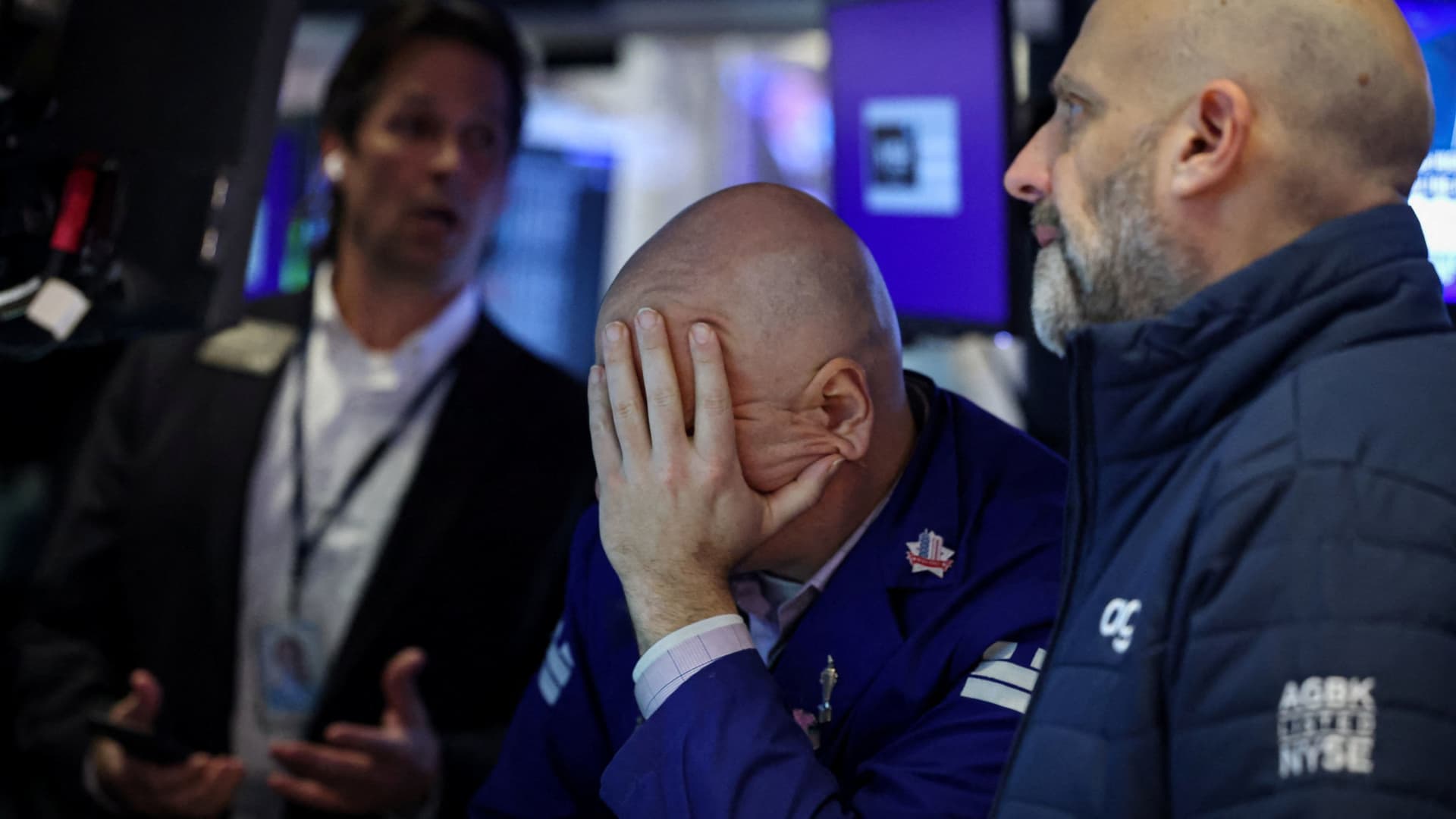
Here are five key things investors need to know to start the trading day.
You might have missed part of the year's surprising rally. But there's still time to buy some of analysts' favorite S&P 500 stocks.
Having 33% of your portfolio in seven companies is less risky than it sounds.

After a year of just 181,000 new jobs, January's 131,000 increase in the U.S. workforce was surprisingly positive. Ben Casselman, The New York Times' chief economic correspondent, explains the numbers.
Logistics stocks have become the latest victims of the AI fear trade, thanks to a new tool from AI firm Algorhythm Holdings. On Thursday, a sell-off of commercial real estate companies entered its second day.
Senate should proceed with Warsh hearings for Fed chair despite Powell probe: Bessent
On Thursday, February 12, a silver “Flash Crash” sent the metal down 11% in minutes. Gold suffered a similar (though smaller) slump, while equities sold off all day long.