
加载中...
共找到 24,881 条相关资讯

German retail sales fell more than expected in January, decreasing by 0.9% compared to the previous month, data showed on Monday.

European stocks are expected to start the new trading week firmly in negative territory.

'Barron's Roundtable' panelists analyze why stocks fell amid AI fears and high inflation data. #fox #media #breakingnews #us #usa #new #news #breaking #foxbusiness #barronsroundtable #stockmarket #stocks #wallstreet #economy #inflation #ai #technology #investing #finance #market #trade #business #fear #volatility #earnings #interestrates #federalreserve
We estimate that the world needs about $85 trillion in infrastructure investment over the next 15 years. When you look at the pipeline, there really don't seem to be enough people in these apprenticeship programs to meet the projected demand.
2026 has so far seen the tightest range on record for the S&P 500 through the first two months of the year. While the cap-weighted S&P 500 has been flat as a pancake this year, the average stock in the index is actually up 7%.
Chasing ultra-high yields above 15% often leads to capital erosion and unsustainable income. This is what we can see right now (aggressive yield instruments falling) when the market sentiment has shifted in favor of risk-off assets. In the article, I provide more details on why investors might be better off by staying in the 10% and lower yield zone.
A shaky start to the week is in store for financial markets after the U.S. and Israel attacked Iran over the weekend.

Prospects for artificial intelligence to disrupt business sectors should keep the U.S. stock market on edge in the coming week, as Wall Street looks for more insight into how the emerging technology will reverberate through the economy.
Investors brace for a wave of volatility following the attacks on Iran. Middle East markets sink, while some remain closed during Sunday's trade.

Potential oil market disruptions caused by the Middle East crisis appear to have prompted the OPEC+ crude producers' group to announce an output hike at its scheduled meeting on Sunday.
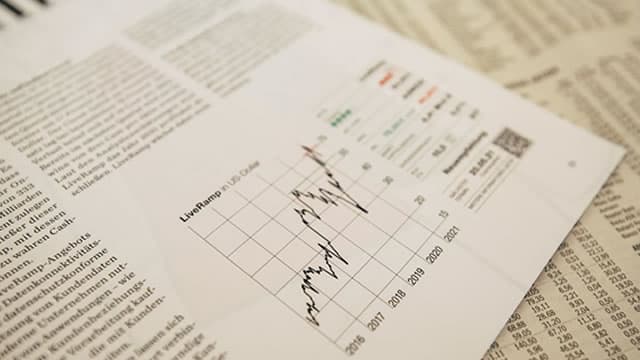
The S&P 500 remains range-bound, with February closing lower but lacking a decisive breakdown or reversal signal. The US-Israel attack on Iran is a major catalyst and could be a trigger for a break in the range.

A recent report says AI-induced layoffs will decrease demand in the economy. Note that the report's authors say it is just a scenario, not a prediction.
A shaky start to the week is in store for financial markets after the U.S. and Israel attacked Iran over the weekend.
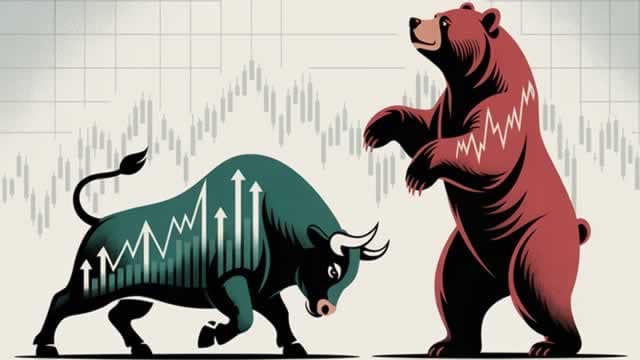
“You've got this somewhat dystopian narrative permeating the psychology of the market” with respect to AI and jobs, asset-management firm's CIO says.

Market strategist Gareth Soloway has warned that the next major U.S. equity downturn could lead to up to two decades of stagnation rather than a sharp crash followed by a quick rebound.

The Fed isn't important. How could it be in consideration of the globalization of all production?
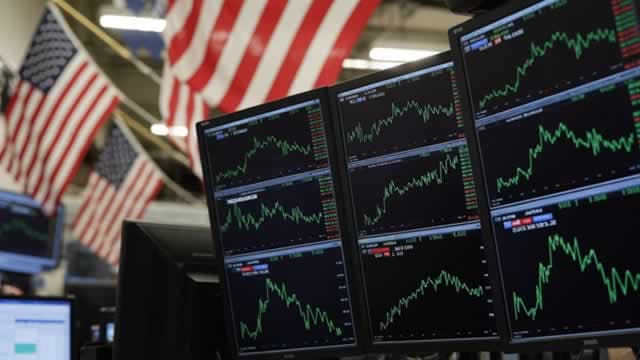
Credit spreads, especially in software and private equity, are widening despite stable Treasury rates, signaling rising credit risk beneath resilient index levels. Bond yields for major players like Blackstone and Oracle have increased significantly, with spreads widening over 130 bps and 90 bps, respectively, since late 2023.
Each week, Benzinga's Stock Whisper Index uses a combination of proprietary data and pattern recognition to showcase five stocks that are just under the surface and deserve attention.

The "rogue" AI agent acting autonomously to nefarious ends receives a lot of attention but may not be the biggest AI risk for the economy. With AI model complexity reaching beyond human comprehension, that makes it harder for organizations deploying AI to apply guardrails.
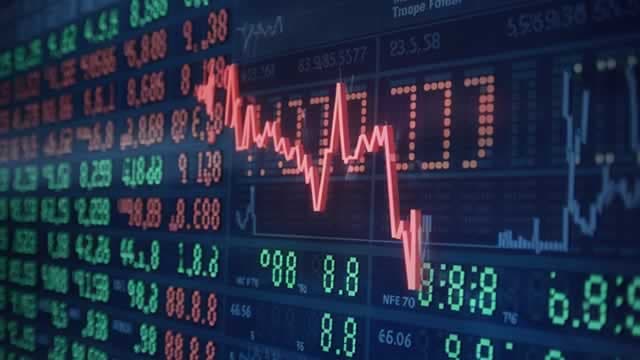
Artificial intelligence might lead to a revolution in the U.S. economy and dramatically reshape the jobs market. That's precisely why so many people are worried about it.