
加载中...
共找到 25,553 条相关资讯

Flows of money into emerging market bond funds fell in the week to March 11, while those into emerging market equity funds flattened after five straight weeks of inflows, shaken by the war in Iran, analysts said on Friday.


Iran conflict and Supreme Court tariff ruling add to air of uncertainty around the economy
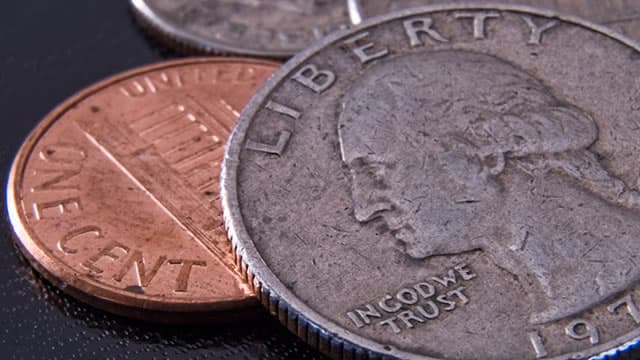
Core PCE price index has risen 3.1% in past year. Iran conflict will push it even higher.

During times of turbulence and uncertainty in the markets, many investors turn to dividend-yielding stocks. These are often companies that have high free cash flows and reward shareholders with a high dividend payout.

Pipeline and a few large-cap energy companies still offer attractive valuations as oil prices stabilize in the $70–$90 range amid Middle East tensions. My screening prioritizes large-cap, high-yield energy names with ROE above 10% and dividend yields above 2.5%, emphasizing operational efficiency.

Inflation was persistent even before the Iran war.

Artificial intelligence turned memory tech names like Western Digital, Seagate and SanDisk into high-flying AI stocks. But don't forget these players' boom-bust cycles.

The S&P 500's structure might end up being its downfall. For a long time, the lack of reinforcements beyond the Mag-7 and a scant few others outside the top 20 stocks has not come to the fore.

The Dow Jones Industrial Average shifted from one of the best-performing US indices earlier in 2026 to one of the worst since the start of the US–Iran war 2026, falling 4.7% between 27 Feb and 12 Mar as global risk sentiment deteriorated. Heavy weighting in financial stocks, particularly Goldman Sachs, has amplified downside pressure as rising oil prices increase stagflation risks and reduce expectations of interest rate cuts by the Federal Reserve.

Uncertainty over developments in the Middle East suggest investors should avoid buying Bunds, Commerzbank said.

London's main stock indexes extended declines on Friday, as the Middle East conflict heightened inflation fears that clouded the Bank of England's monetary policy outlook, while energy firms gained on higher oil prices.

The U.S. Section 301 investigation targets 16 major economies, signaling a shift to permanent, structural tariffs with broad market repercussions. Three market scenarios are outlined: expedited tariffs, prolonged negotiations with volatility, or global escalation leading to stagflation and severe asset repricing.

The S&P 500 remains resilient amid volatility, supported by Big Tech's secular growth and robust balance sheets. Massive AI-driven CapEx by hyperscalers contrasts with small businesses' conservative spending and focus on productivity and debt reduction.

The benchmark S&P 500 has fallen around 3% since the first wave of U.S.-led attacks on Iran at the end of February.

The Fed is likely to leave the Federal Funds rate unchanged at the March meeting and also signal a need to hike interest rates if the oil price shock persists. The current situation with the Iran war suggests that the oil price shock could persist; thus, we should brace for higher rates and lower stock prices.
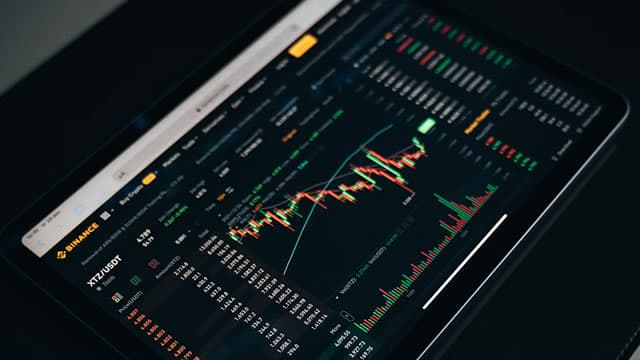
Lizzy Burden, Tom Mackenzie and Mark Cudmore break down today's key themes for analysts and investors on "Bloomberg: The Opening Trade." Chapters: 00:00:00 - MLIV -------- More on Bloomberg Television and Markets Like this video?

Trump's ‘Plan B' tariffs to roll out, CFTC offers guidance for sports prediction markets, Honda unveils EV losses, and more news to start your day.

Everything Mike Dolan and the ROI team are excited to read, watch and listen to over the weekend.
Russia sees a U.S. sanctions waiver on its oil as an attempt by Washington to stabilise global energy markets, and the two countries have a shared interest in this, Kremlin spokesman Dmitry Peskov said on Friday.
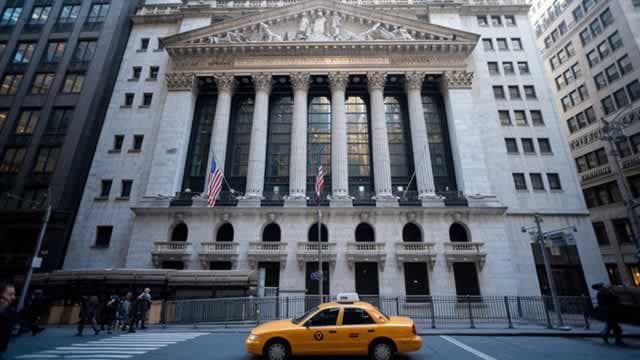
Investors will seek clarity in the coming week on how much the Middle East conflict is complicating expectations for interest-rate cuts this year, as they brace for developments in the Iran war that could rattle markets.