
加载中...
共找到 25,618 条相关资讯

Sen. Kevin Cramer, R-N.D., joins 'Mornings with Maria' to discuss the status of the CLARITY Act and whether Jerome Powell could stay at the Federal Reserve after his chair term expires.

Investors are favoring emerging markets, with the largest allocation in five years, and equities in Japan.

CNBC's Diana Olick reports on the latest from the housing market including apartment concessions hitting the highest level in over a decade.

A recession is defined by two consecutive quarters of decline in GDP. Maybe the fourth quarter of last year shouldn't count.
Nicolai Tangen, CEO of Norges Bank Investment Management, warned Europe is facing a crisis and that “it is time to act.” NBIM manages Norway's sovereign wealth fund, the largest of its kind, with a value of just over $2 trillion.

The Reserve Bank of Australia raised interest rates in a close vote, warning that fuel-price shocks tied to the Iran war could push inflation higher and keep central banks cautious.

The pending home sales index, a leading indicator of house sales based on contract signings, rose 1.8% on month to 72.1. Economists polled by The Wall Street Journal had forecast a 0.6% decline.
The Federal Reserve, which previously warned in 2001 that rising oil prices usually precede most recessions, noted the U.S. economy has become more resilient in recent decades and is better positioned to absorb the blow of higher energy costs. Economists from Vanguard and Wells Fargo both argued a short-lived surge in oil prices wouldn't be enough to disrupt the economy, even if a “sustained rise” in energy costs weakens income growth.
Fox Business' Gerri Willis reports new data shows institutional investors make up a surprisingly small share of home purchases as lawmakers push new limits. 0:00 – The Bipartisan Push Against Institutional Investors 0:25 – Data Reveal: Is the Investor Footprint Shrinking?
The Iran conflict has, of course, sent oil prices spiking. And the tensions in the region are unlikely to end soon.
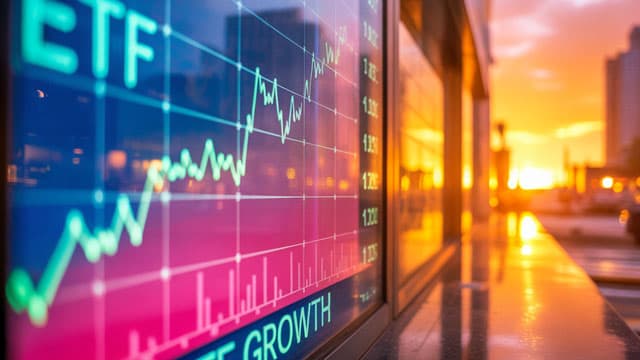
Wall Street's fear gauge is pulling back this morning even as the world grows more unsettled.
Swarmer, a drone-autonomy software company whose technology has been used in Ukraine, begins trading after a small IPO aimed at funding growth in autonomous warfare technology.
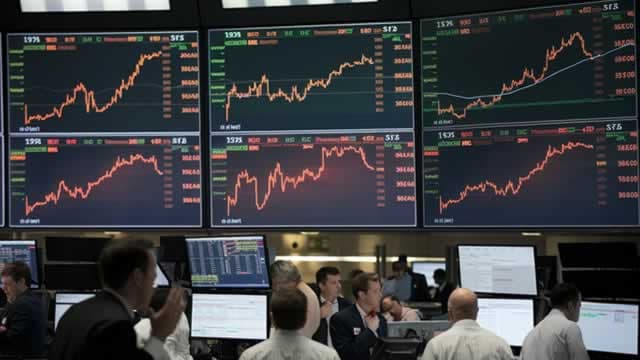
Conflict in Iran has sent oil prices up, prompting some experts to worry stagflation, or low economic growth and high inflation, could be possible for the U.S. economy. Here's the money moves experts say consumers may want to consider now amid an uncertain economic forecast.

Iran vowed that the Strait of Hormuz will never return to its prewar state.

US futures pushed into positive territory on Tuesday as headlines from the Middle East continued to prop up energy prices, while the Federal Reserve begins its two-day policy meeting. Dow Jones futures were up 0.3%, with the S&P 500 and Nasdaq futures pointing to 0.2% rises, having all previously been down around 0.5-0.6%.

The S&P 500 remains inversely correlated with WTI crude, which fell below $94 as geopolitical tensions eased slightly. Iran's control of the Strait of Hormuz and ongoing aggression keep oil prices elevated, risking long-term economic damage if unresolved.

As of March 17, 2026, three stocks in the financial sector could be flashing a real warning to investors who value momentum as a key criteria in their trading decisions.

The outlook for the S&P 500's dividends dimmed since previous snapshot of their future. Dividend futures indicate the amount of dividends per share to be paid out over the period covered by each quarter's dividend futures contracts, which start on the day after the preceding quarter's dividend futures contracts expire and end on the third Friday of the month ending the indicated quarter.

The bank's economists argue that what looks like a fragile jobs market is actually a sign that workers and employers have gotten much better at finding each other Central bankers have been nervous about the jobs market for the wrong reasons, according to a new note from Goldman Sachs economists Megan Peters and Joseph Briggs. The low-hiring, low-firing pattern that has characterised labour markets across the developed world since the pandemic is not a warning sign of impending weakness, they argue.
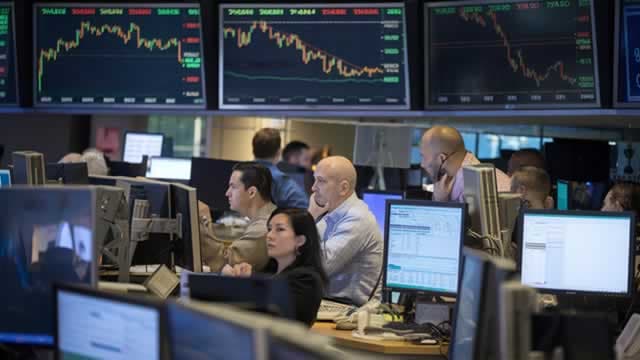
The FDA's embattled vaccine chief, Vinay Prasad, will exit the agency. But that doesn't mean biotech stocks should breathe easy.