
加载中...
共找到 25,619 条相关资讯
A hotter-than-expected wholesale inflation reading for February had traders contemplating the possibility that the Federal Reserve won't be lowering interest rates at all this year. Chances for a December reduction stood at 60.5%, indicating that traders are leaning toward a cut, though with a relatively low level of conviction.


U.S. stocks traded lower this morning, with the Dow Jones index falling more than 150 points on Wednesday.

Oil prices reverse from early slide. Iran expands list of targets, South Pars natural gas field hit.
The federal court's halt of proposed childhood immunization schedule changes preserves stable, high-volume revenue streams for major vaccine manufacturers like Pfizer, Merck, Moderna, GSK, and Sanofi. Blocking the policy reversal maintains routine coverage for 17 diseases, safeguarding predictable insurance reimbursement and near-universal pediatric vaccine uptake.
US stock opened lower on Wednesday after hotter-than-expected inflation data and rising oil prices dampened investor sentiment ahead of the Federal Reserve's policy decision. Dow Jones Industrial Average fell about 169 points, or 0.36%, while S&P 500 fell 0.31% and Nasdaq 100 declined roughly 0.26%.

The market remains resilient despite high oil prices, anticipating a near-term ceasefire in the Middle East and limited economic fallout. WTI crude under $100 per barrel is seen as a stabilizing factor, with further de-escalation likely to trigger market upside.
Wholesale inflation hit the highest rate in a year last month, adding evidence that stubborn price increases persisted in the economy even before the Iran war began.
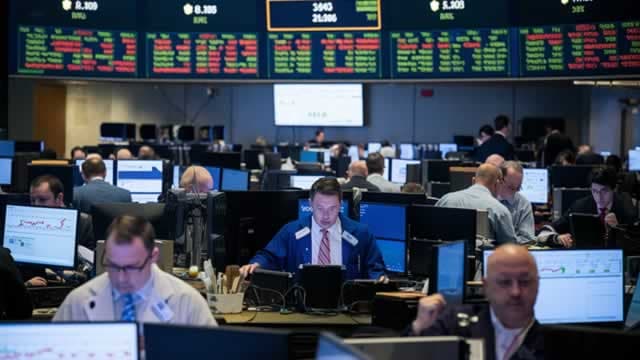
Since the attack began on Feb. 28, nearly every major asset class - aside from commodities and cash - has slipped into the red, with losses spreading broadly across global markets through March 17's close. A broad measure of raw materials has surged 4.7% since the war began, sparked by soaring energy costs as the conflict restricts oil and natural gas exports from the Persian Gulf region - a supply shock that's spilled over into other commodities.

Wholesale prices rose 0.7% in February, much more than expected

The cost of wholesale goods and services rose at an accelerated pace in February for the third month in a row, underscoring the challenge faced by the Federal Reserve in vanquishing inflation even before the recent spike in oil prices.

Dividends by the Numbers series tracked the US stock market's dividend metadata, which provided a simple, near real-time method of measuring the relative health of the US economy. We've opted to focus on dividend decreases because that data can provide a raw indication of which companies and industries may be experiencing some kind of distress.
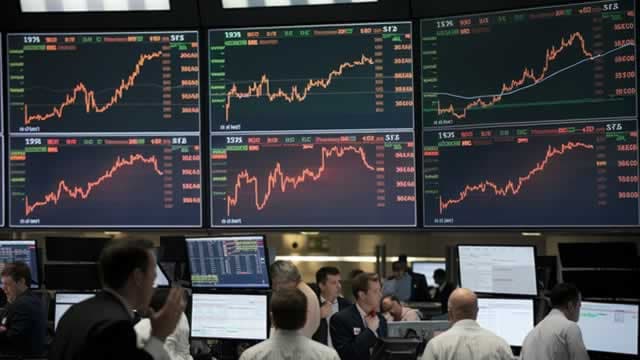
The Federal Reserve meeting will show whether inflation fears trump a soft job market amid the Iran war.

Oil prices, on average, will remain around $88 a barrel six months from now, according to the CNBC Fed Survey. On average, respondents forecast 1.8 rate cuts this year, a more dovish outlook than the Fed futures market, which has priced in only one cut.
History suggests the second half of March is a winner for the stock market.
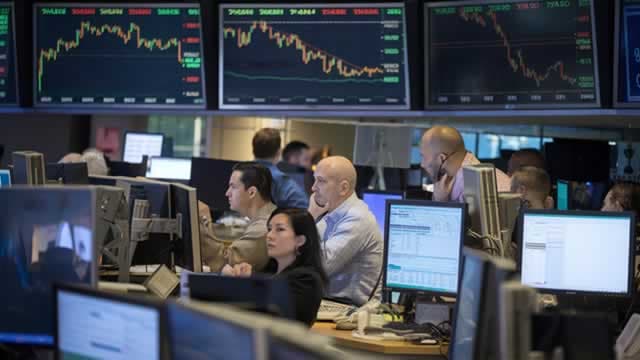
U.S. Treasury yields fell ahead of the Federal Reserve's meeting where the fed funds target rate range is expected to be left on hold.

During times of turbulence and uncertainty in the markets, many investors turn to dividend-yielding stocks. These are often companies that have high free cash flows and reward shareholders with a high dividend payout.

The S&P 500 has become a value trap due to mega-cap concentration, AI CapEx risks, and new inflation headwinds, warranting a shift in strategy. I expect subdued returns for the cap-weighted S&P 500, not outright losses, as higher discount rates and structural inflation pressures compress multiples.

US stock futures edged higher on Wednesday as investors turned a bit optimistic with reducing oil prices ahead of the Federal Reserve rate decision today. Futures linked to the Dow Jones Industrial Average were up about 240 points, or 0.5%.

A trading expert is warning that the S&P 500 is approaching a critical technical juncture that could determine whether the broader market remains in a long-term uptrend or slips into a new bear cycle.

Given the backdrop of war and oil price volatility, investors' focus later today will be on whether Federal Reserve officials consider the inflationary implications of the oil shock significant enough to alter their forecast for one U.S. interest rate cut this year.