
加载中...
共找到 22,009 条相关资讯
Andrew Slimmon, Morgan Stanley senior portfolio manager, joins 'The Exchange' to discuss Slimmon's thoughts on current equity market levels, what worries the portfolio manager and much more.

CNBC's Steve Liesman reports on the latest news regarding the Federal Reserve.
The Pentagon reportedly wants to its missile suppliers to double or even quadruple production.
Dow Jones rebounds 600+ points after early selloff. Financials surge, but tech lags and VIX stays high—caution still clouds US stock market outlook today.
The bankruptcies of U.S. auto parts supplier First Brands and car dealership Tricolor have prompted soul searching on Wall Street, with JPMorgan Chase saying it re-examined its controls after finding itself exposed, although banks broadly said that U.S. borrowers' credit quality is robust.

U.S. and Chinese officials at the senior staff level talked on Monday following a flare-up in trade tensions between the two geopolitical rivals, U.S. Trade Representative Jamieson Greer told CNBC in an Tuesday interview.

Gold and AI stocks are surging right now. I discuss what this indicates could be next for the market.
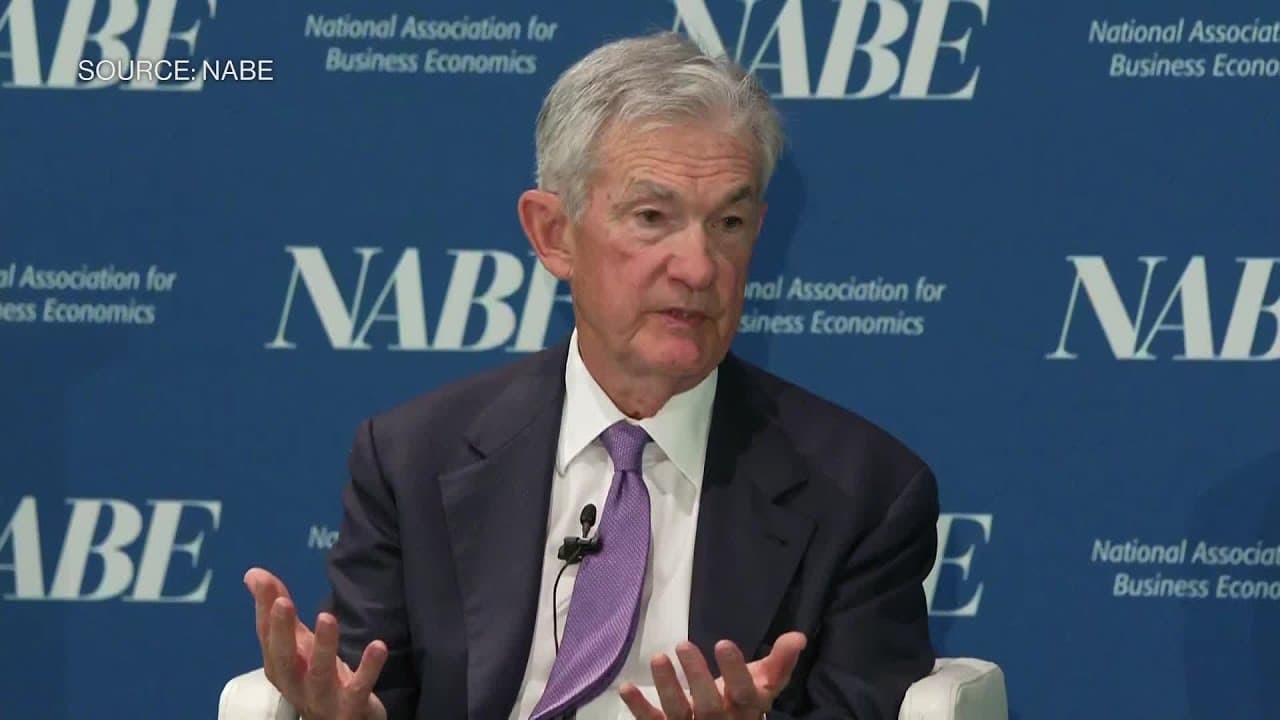
Federal Reserve Chair Jerome Powell says the labor market is showing "pretty significant" downside risks during an event with the National Association for Business Economics in Philadelphia. Sign up for the Economics Daily newsletter to discover what's driving the global economy and what it means for policy makers, businesses, investors and you: https://bloom.bg/4535pfS -------- More on Bloomberg Television and Markets Like this video?
Franklin Templeton CEO Jenny Johnson joins CNBC's ‘Halftime Report' to discuss alternative investments and how they should fit in your portfolio.
Despite the federal government shutdown cutting off official economic data, “the outlook for employment and inflation does not appear to have changed much since our September meeting,” Powell said.
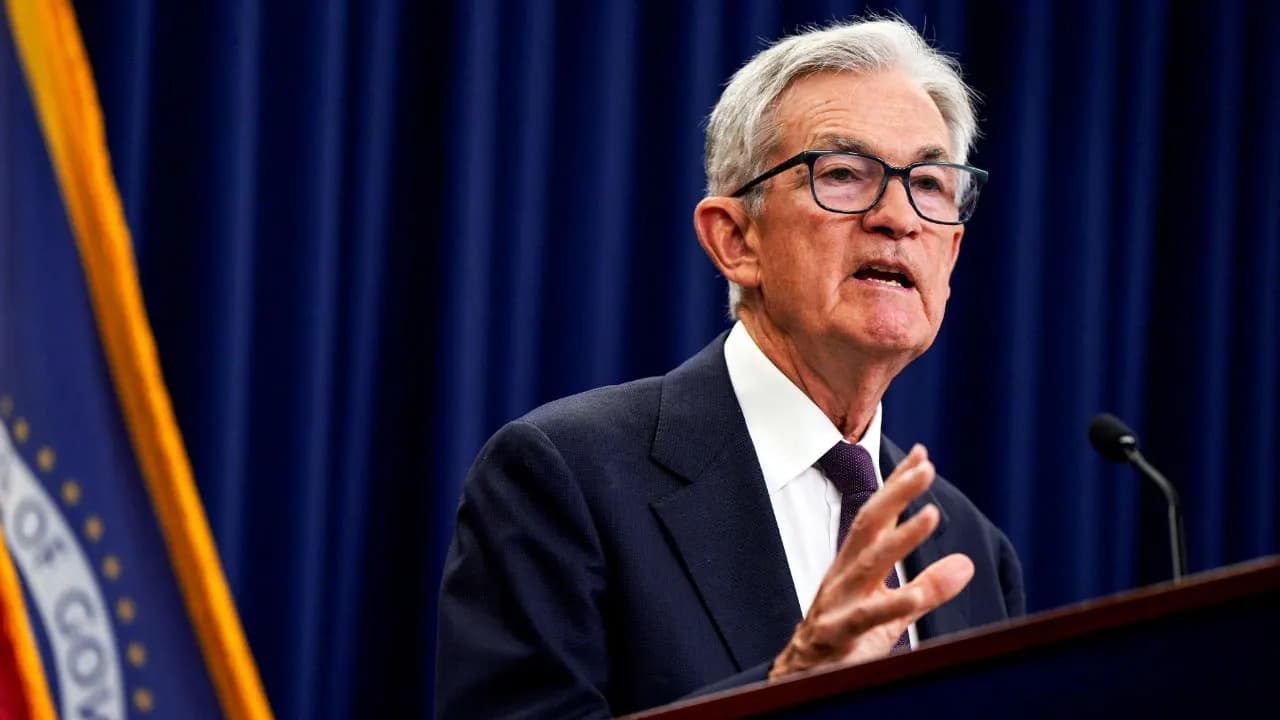
Fed Chair Jerome Powell told economists that that the sluggish labor market and tariff-induced inflation are persisting as government shutdown delays official employment reports.
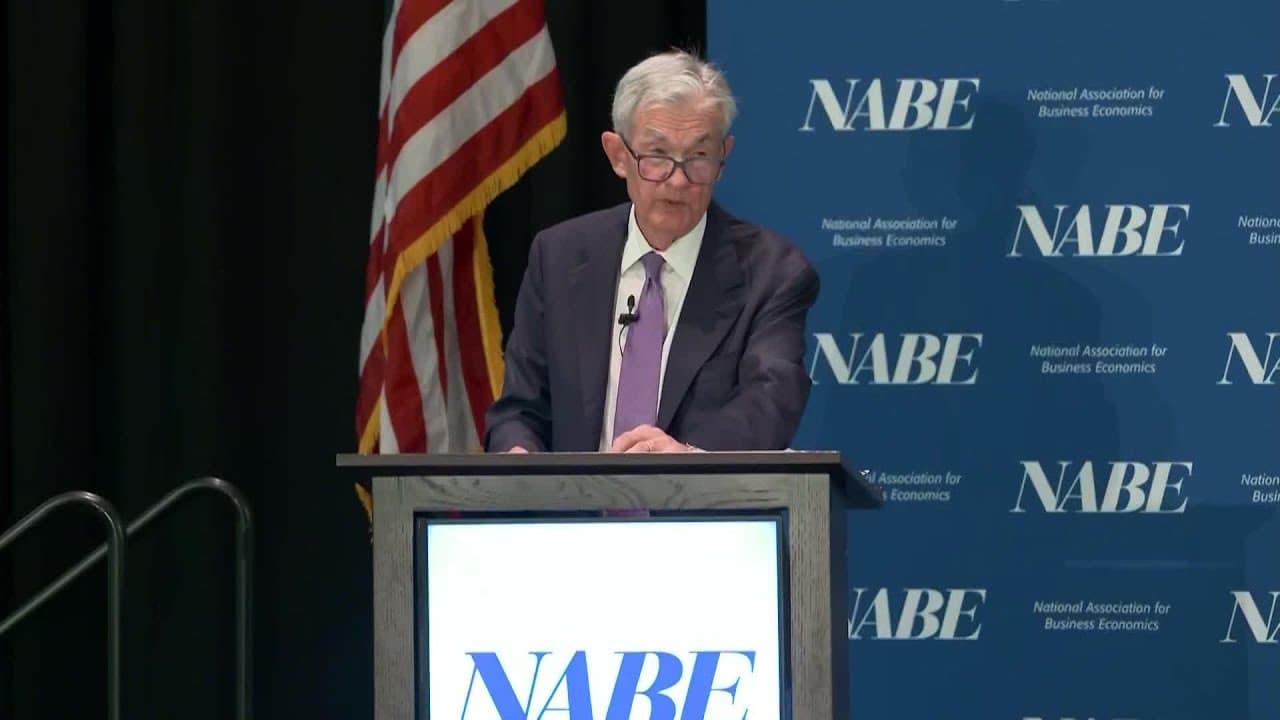
Federal Reserve Chair Jerome Powell says the central bank may stop shrinking its balance sheet in the coming months during an event with the National Association for Business Economics in Philadelphia. Sign up for the Economics Daily newsletter to discover what's driving the global economy and what it means for policy makers, businesses, investors and you: https://bloom.bg/4535pfS -------- More on Bloomberg Television and Markets Like this video?
Oil prices slumped to their lowest in five months on Tuesday on market fears of oversupply in the run up to end of the year and first quarter of 2026.
Those looking to buy stocks right now should look for the ones that aren't correlated to the artificial intelligence trade.
The major U.S. stock indexes are back to making dramatic moves, with investors dealing with another round of trade-related uncertainty. One widely used volatility measure, the VIX, has jumped recently to its highest levels in months. But it's still well off April highs.
I reiterate my buy recommendation on assets tracking main American indexes, citing renewed positive outlook despite recent market volatility from tariff concerns. Favorable FOMC minutes, strong earnings season expectations, and falling oil prices support a bullish view for the S&P 500 and related index assets (SPY).

Federal Reserve Chair Jerome Powell said on Tuesday the end of the central bank's long-running effort to shrink the size of its holdings, widely known as quantitative tightening, or QT, may be coming into view.
The central bank has been passively reducing its $6.6 trillion asset holdings since mid-2022, part of a technical effort to unwind its pandemic policies.
Federal Reserve Chair Jerome Powell said the central bank is nearing a point where it will stop reducing the size of its bond holdings, but gave no long-run indication of where interest rates are heading. Though balance sheet questions are in the weeds for monetary policy, they matter to financial markets.

Thanks to higher stock markets and rising corporate dealmaking, results are beating expectations across the big banks.