
加载中...
共找到 25,618 条相关资讯
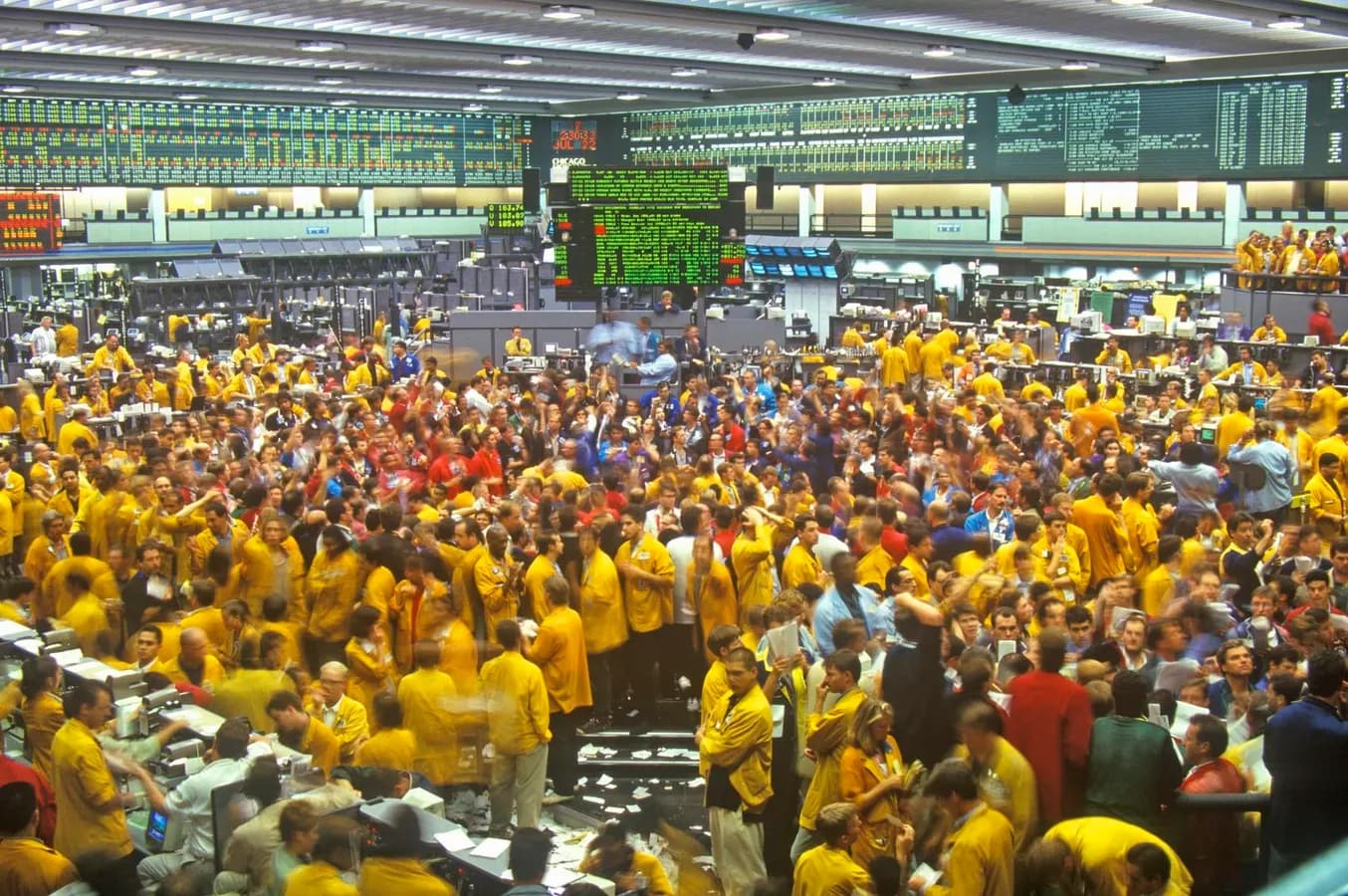
Yet another day of new records in the stock market on Monday as the S&P 500 was higher by 1.2%, the Dow up 0.7% and the Nasdaq up almost 2%. This is an amazing run as seemingly big progress on the trade front with China, through in a start to a Fed meeting in which many are hoping for rate cuts and the seeming taming of inflation, and it adds up for the positivity we are seeing.


Implied volatilities fell across asset classes last week on softer than expected CPI and easing trade tensions. Equity volatility led the way, with the VIX® index down 4.4 pts wk/wk to 16.4%, falling to the 39th percentile low over the past year.
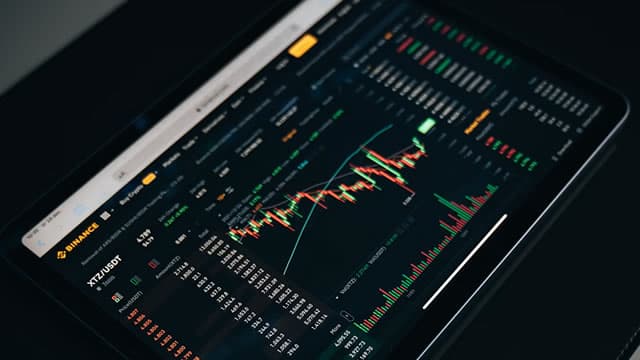
The S&P 500, Dow, and Nasdaq have all reached record highs, driven by strong earnings growth and positive economic data. Earnings season has been exceptional, with 86% of S&P 500 companies beating estimates and analysts raising forecasts for the next quarter.
The U.S. labor market continued to expand through mid-October, according to new preliminary weekly data released by payroll firm ADP on Tuesday.
US stocks are expected to barge higher to yet more records on Tuesday, as both Washington and Beijing made further encouraging comments about a potential trade deal. Dow Jones futures were 0.5% higher ahead of the opening bell, while futures for the S&P 500 and Nasdaq 100 were up 0.1% and 0.2% respectively.
The Federal Reserve is expected to cut interest rates by a quarter point at its meeting this week and could cut at the next two meetings as well, according to the October CNBC Fed Survey. While 92% of respondents believe the Fed will cut at this meeting, only 66% believe it should, with a 38% minority opposing a rate cut.
Private sector employers added an average 14,250 jobs per week over the past four weeks, according to new preliminary data from ADP.
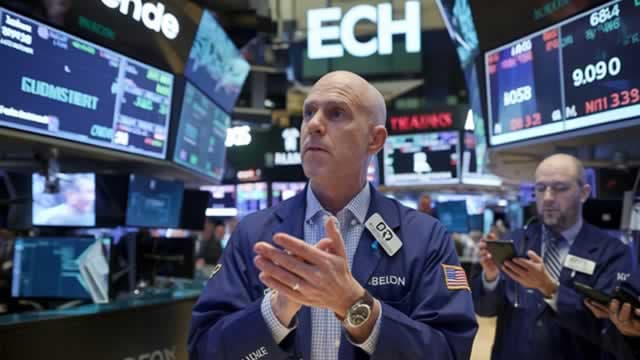
The Federal Reserve will deliver its latest interest rate decision on Wednesday. Investors are broadly expecting a 25 basis point cut and will be looking for signs of the Fed's next move.
Dow futures traded flat on Tuesday, reflecting cautious optimism among investors ahead of key market events this week, including Federal Reserve interest rate decisions and major tech earnings reports.

Listen on the go! A daily podcast of Wall Street Breakfast will be available by 8:00 a.m.

Stocks tend to push higher after the four U.S. stock indexes close at records. Futures on Tuesday point higher.
During times of turbulence and uncertainty in the markets, many investors turn to dividend-yielding stocks. These are often companies that have high free cash flows and reward shareholders with a high dividend payout.
Zebra Technologies on Tuesday forecast fourth-quarter profit and revenue growth above analysts' estimates, signaling steady demand for its barcode scanners and mobile computers as businesses accelerate efforts to digitize operations.
The global trade system has remained resilient despite the U.S.' introduction of import tariffs on multiple goods from multiple countries, the WTO's chief told CNBC. Trump, the architect of U.S. tariffs, is due to meet China's Xi Jinping this week.
The most oversold stocks in the consumer discretionary sector presents an opportunity to buy into undervalued companies.
U.S. stock index futures hovered near record highs on Tuesday, taking a breather after rallying in the past two sessions as investors focused on major corporate earnings including UnitedHealth and UPS.
Qatar's finance minister said on Tuesday that artificial intelligence would be a big part of planned Qatari investments in the United States.

As Wall Street's expectations have rapidly shifted toward an imminent end to the Federal Reserve's effort to shrink its bond holdings, some analysts also anticipate a return to balance sheet expansion in relatively short order.
Just over a year ago, we introduced a hedging implementation that has already had a significant impact on our investment discipline by allowing us to abandon any need for valuations to normalize. The current economic environment features possibly the most untethered, and undoubtedly the most imbalanced version of this philosophy in U.S. economic history.

Wood foresees a reality check on AI valuations at some point but she does not think we're in a bubble.